Movie review
Digger
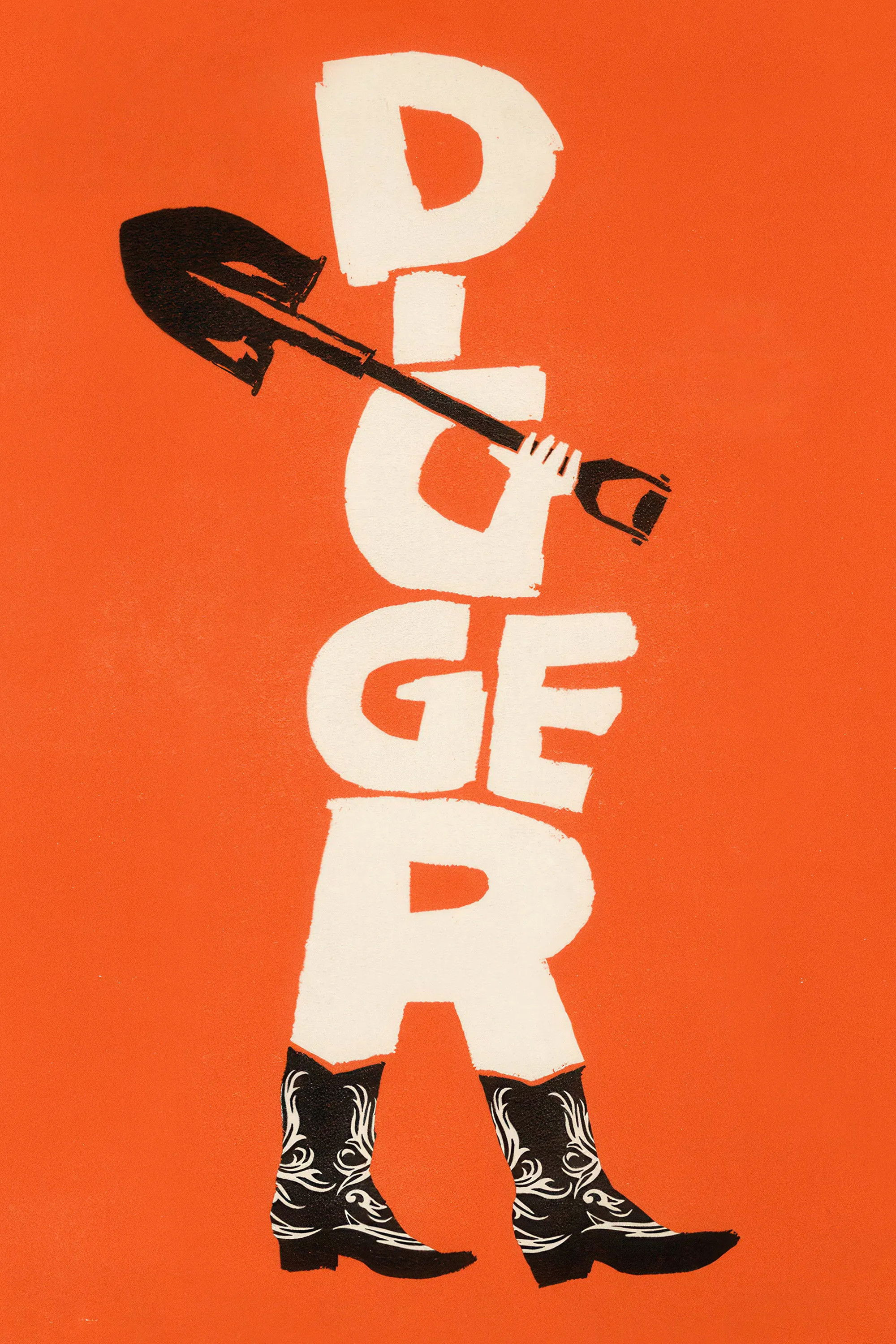
Digger starts with an evil oil baron worrying about his cat while helping destroy the planet. Fair enough, I thought I knew where this was going. What impressed me is how many times the movie changes what we are actually watching. Every time I settled into one version of the story, it pulled back and gave me something else to think about.
Not every joke landed, and some of the political satire is pretty broad, but the structure and ending made this much more interesting than I initially expected.
Spoilers ahead, including the ending.
★ Structure
The first reveal really worked for me. Digger and the officials have decided to cover up the Greenland disaster when a tree falls over inside the mansion. Something about the way it falls looks obviously artificial, and suddenly we discover that everything we have been watching is a play. Okay, now Tom Cruise’s performance makes a lot more sense. He is playing an actor playing this ridiculous oil baron, and the exaggeration becomes part of the fun.
The actor also has something much more immediate on his mind. His daughter is on a plane near Jamaica during a hurricane, and he cannot find out whether she landed safely. While everyone onstage discusses enormous disasters, he is trying to get through the performance long enough to find out whether his daughter is alive. I liked having that personal concern running underneath everything.
My favorite turn comes when he starts arguing with the play itself. He complains that Digger and the Vice President being on the same plane makes no sense and basically calls the writing bullshit. At first, I thought the movie was inviting us to laugh at a badly written play. Then the director tells him that these events actually happened. People working on the production lost family members.
That changes the whole scene. His complaints about an implausible plot become much more uncomfortable when the people around him are performing something they actually lived through. The movie keeps giving us information that changes the meaning of what came before, and I really enjoyed following it through those layers.
★ Theme
The early joke is that everyone treats a physical catastrophe as a public-relations problem. An ice shelf is threatening Europe, and their solution is to stop people talking about it. My biggest laugh came when they start listing terms for the AI censorship system to block. Glacier, ice shelf, climate change, and then somebody adds “Al Gore.” Such a small joke, but that one got me.
Digger becomes more interesting during the European hearing. His defense is that everyone wants the things his industry provides. They want cheap energy, cars, air conditioning, and travel, but they also want to condemn the person supplying the oil. He is still awful, but I appreciated that the movie lets him make an argument. It gives him an actual worldview beyond wanting more money.
Then another iceberg threatens Alaska and his own operations, and suddenly he needs the government to intervene. He was perfectly willing to gamble with Europe when the consequences belonged to other people. Now that his investments are in danger, saving the day becomes very urgent.
That hypocrisy connects the different parts of the movie. Digger can obsess over his dying cat while dismissing a disaster. Officials can worry about controlling the discussion while making the actual problem worse. Everyone finds a way to care about the part that affects them and explain away the rest.
★ Cast
Tom Cruise has the most interesting job here because the performance keeps changing as we learn more about it. Digger getting on his knees and pretending to dig during his big speech is ridiculous, but knowing there is a frustrated actor underneath makes it much funnier. Cruise also has to keep the concern about his daughter alive through all that theatrical nonsense. That gives the movie an emotional thread I could hold onto.
Riz Ahmed is really good as Ganesh, especially once he stops trying to protect Digger. By the time he is backstage drinking and laughing about the iceberg heading toward Alaska, you can feel how completely he has given up on this man.
John Goodman also got one of my favorite laughs. The President wants to press the button and nuke the iceberg, only to discover that the nuclear football contains books and procedures he would actually have to read. That is apparently a much bigger obstacle than deciding to use nuclear weapons. It is stupid, but I thought it was funny.
Jesse Plemons becomes more unsettling as the movie goes along. His ability to overhear a private conversation and casually offer to locate the actor’s daughter initially seems like a convenient producer using his connections. Finding out that he is Digger’s nephew gives that helpfulness a very different feeling. The actor realizing whose family he has been performing in front of is a great uncomfortable moment.
★ Ending
The ending is what earned the fourth star for me.
The actor learns that his daughter is safe, the play finishes, and everyone takes their bows. There is a real sense of relief. Then an announcement says “Level 4,” everyone puts on respirators, and we finally see the world outside the theater.
It is full of drones, surveillance, automated policing, and the kind of tracking technology that explains how Plemons’ character could find someone so easily. His access was a little preview of how this entire society operates.
That reveal makes the nephew’s involvement much more interesting. Digger controlled oil, land, and energy. His nephew appears to belong to a world where information and technology give him that same enormous private power. The audience can applaud a play about the terrible old oil baron while living under the next version of him.
I especially liked how little explanation the final reveal needs. Everyone puts on a mask and goes outside like this is an ordinary evening. For them, it is. They have turned the old disaster into a story they can watch, understand, and applaud, but that does not mean they have fixed anything.
Final verdict
Four stars for Structure, Theme, Cast, and Ending. Some of the satire is heavy-handed, but I liked how willing Digger is to keep complicating its own joke.
The ending gave me the most to think about. This society has learned how to put its old villains onstage. I am less convinced it knows how to recognize the ones sitting in the audience.