Movie review
You Can See Everything
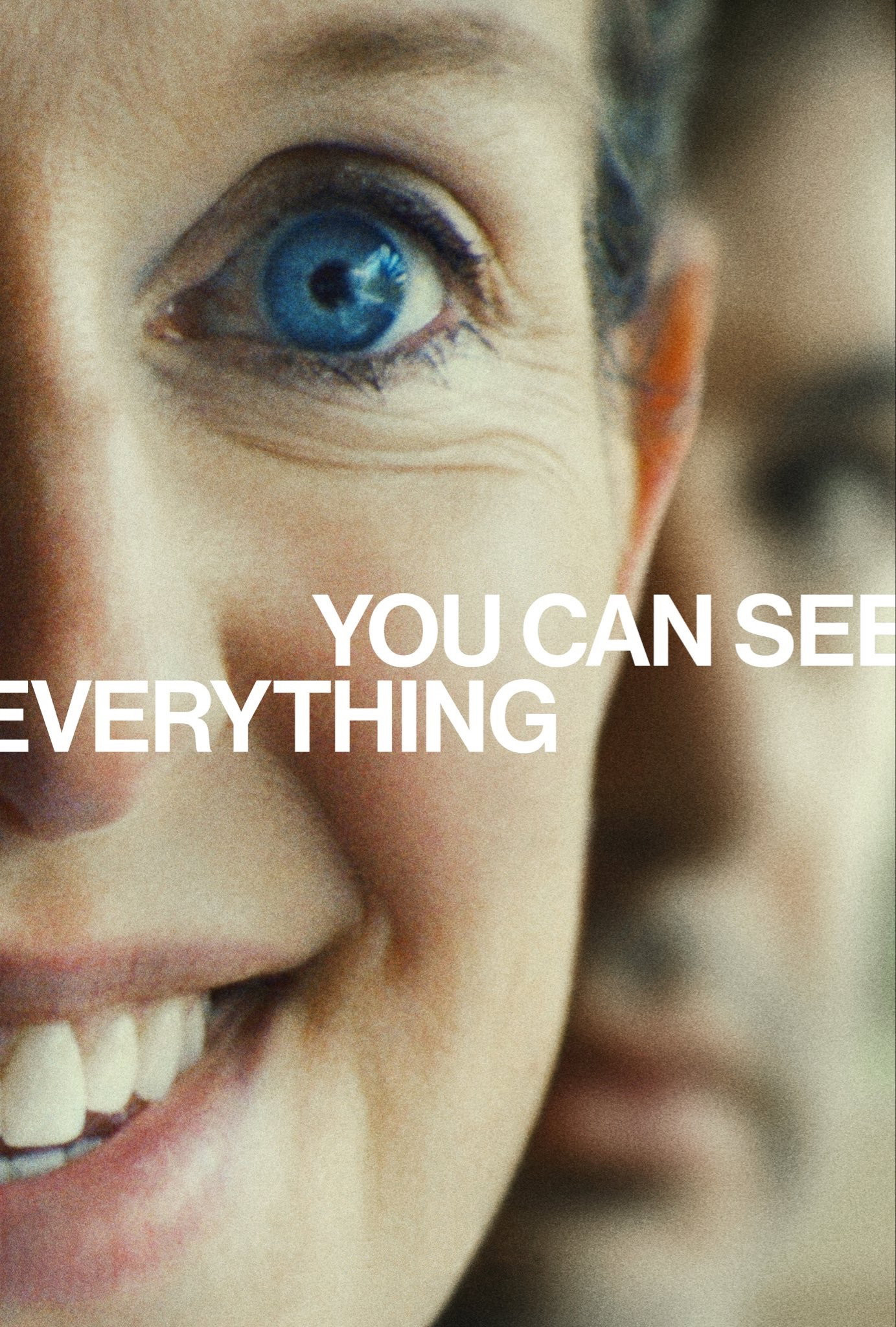
I think You Can See Everything is the best documentary I have ever seen. That is a pretty big thing to say when Errol Morris’s The Thin Blue Line has been my all-time favorite, but Nathan Fielder made something here that earns the comparison. It is hilarious, beautifully made, and constantly finding interesting ways to question the story somebody wants him to tell.
Fielder is also just the perfect person to be having these conversations. His delivery makes the bullshit around him even funnier, and his willingness to be blunt keeps the movie from getting swallowed by it. Five stars for Documentary, Humor, Story, Structure, and Directing.
Spoilers ahead, including the second half.
★ Documentary
I took a documentary filmmaking class in college, so I have spent a fair amount of time watching documentaries and thinking about how they work. The use of reenactments here immediately made me think of The Thin Blue Line. That is the only other documentary I have personally seen use them this way, and it is a big part of why that movie has stayed with me.
What I love about the reenactments in You Can See Everything is how they help Fielder try to give us the full truth as he understands it. There is what somebody says happened, how they want it to be understood, and what happens when he tries to put that version of events in front of us. Seeing something played out gives him another way to examine it.
That also means his perspective is part of the movie. He is choosing what to reconstruct and how to present it, and I liked being able to think about those choices while watching. The reenactments made me more interested in how he arrived at his understanding of the story. By the end, I felt like the movie had earned my trust by giving me so much to consider, including reasons to question the person making it.
★ Humor
The “Who’s on First?” bit is incredible. Watching Elizabeth Holmes fail to understand one of the most famous comedy routines of all time is funny enough, but what makes it great is how neatly it fits the rest of the movie.
To me, she comes across as somebody who has repeated her own version of reality so much that she cannot get outside it long enough to understand the joke. The routine depends on accepting that the first baseman’s name is Who. Abbott keeps giving Costello the answer, and Costello keeps hearing it as another question. The information is right there, but he cannot accept the terms that would make it make sense.
That felt like a perfect mirror of Holmes’s refusal to accept the lies at the center of her own story. There is always another way to hear the answer, another explanation that lets her avoid what is actually being said. I do not think failing to understand a joke proves anything about a person on its own. Within this movie, though, the scene captures exactly what frustrated me about her. And it is hilarious.
Fielder has such a good feel for how long to stay with that kind of exchange. The discomfort has time to become funny, then revealing, then somehow even funnier.
★ Story
The way Fielder talks is perfect for dealing with the total bullshit Billy Evans spews in this movie. Evans can keep trying to explain things on his own terms, but Fielder’s delivery makes me listen to how ridiculous those explanations sound. He gives the words room to sit there.
My favorite example is when he calls the black box “the fraud machine” to their faces. That got a huge laugh out of me. After all the effort to control how this story is discussed, he just says it. Okay, we are calling it the fraud machine now.
That bluntness is why I wanted him telling this story. He can follow a conversation into all its awkward details and still say the obvious thing everyone is trying to talk around. There is something very satisfying about watching somebody refuse to cooperate with the preferred wording.
His personality gives the movie a clear point of view. I wanted to hear the next answer partly because I wanted to see what he would do with it. The storytelling and the humor work so well together because both come from the same curiosity about how these people explain themselves.
★ Structure
Bringing Amanda Seyfried into the second half is genius. She becomes a surrogate for the audience, somebody who can enter what Fielder has been doing and start asking the questions we are asking. Her presence gives the movie a fresh way to look at its own material right when it could have settled into an established pattern.
I especially liked how she helps bring out what I read as Evans’s need to control the situation. The more the movie lets us watch that behavior, the more unsettling I found him. Seyfried gives those interactions another perspective, and that makes them much more interesting to watch.
Then she questions Fielder’s objectivity about Holmes, too. That is the choice that really makes this section work for me. I had spent so much of the movie enjoying how he handles other people’s explanations. Having somebody turn that scrutiny toward him gives me a reason to reconsider how comfortable I have become with his perspective.
The little bit of ambiguity is perfect. I still think he made an extraordinary documentary, and I still responded to his view of these people. But I liked leaving with a question about his judgment. Giving Seyfried room to challenge him makes the entire movie stronger.
★ Directing
After all that, the movie also looks great. There are fantastic shots and a real sense of style throughout. I was already impressed by the conversations, reenactments, and construction, but the visual filmmaking deserves a star of its own.
It would be easy for the subject and Fielder’s personality to carry my attention. I appreciated how much care went into the images as well. The movie gives me things to look at and think about even while I am waiting for the next uncomfortable exchange.
The directing also holds all these different pieces together. The comedy, the attempts to reconstruct the truth, and the questions about Fielder’s own perspective feel like parts of the same film. By the time Seyfried starts complicating what we have watched, the movie has given her plenty to work with.
Final verdict
Five stars for Documentary, Humor, Story, Structure, and Directing. You Can See Everything made me laugh constantly and gave me just as much to think about. I loved the reenactments, Fielder’s bluntness, and the way the second half opens his perspective up to questioning.
The Thin Blue Line is a very high bar for me. I did not expect to watch another documentary and come away thinking I might have a new favorite. This one did it.